Turn Feedback into Action: Why Companies Should Rely on Survey Tools
Let’s face it—guesswork is out...
...and insights are in. Whether you're in retail, education, healthcare, or B2B services, understanding your audience is the golden ticket to better engagement, smarter decisions, and stronger results. And what’s one of the simplest, most effective ways to get those insights? You guessed it: surveys.
In a world where everyone has access to the same AI tools generating similar content, original data is your differentiation. It's not just about understanding your audience anymore—it's about creating insights that position you as the authoritative voice in your industry.
But we’re not talking about boring, one-size-fits-all questionnaires. Today’s survey tools are sleek, smart, and surprisingly versatile. Let’s explore how different industries can use surveys to their advantage—and how to combine them with other marketing tactics for even more impact.

Retail: From Browsing mode to Buying mode
In retail, customer preferences shift faster than fashion trends. A well-timed survey can help you stay ahead.
Ways to apply it:
- After a purchase, send a quick survey asking about the shopping experience.
- Was the checkout smooth?
- Did they find what they were looking for?
- Would they recommend your store?
And for returns, send a follow-up survey of what was wrong with the product and what you could have done different for the customer, was there items or sizes missing for example.
Combine your survey with a loyalty program. For example, “Answer 3 quick questions and earn 10 points.” It’s a win-win: you get feedback, and they get rewarded.

Education: Listening to Learners
Whether it’s a university, online course provider, or training company, feedback is essential for improving the learning experience.
Engagement flows: Mid-course surveys can help identify what’s working and what’s not—before it’s too late. Ask students how they feel about the pace, content clarity, or instructor engagement.
Use survey results to personalise follow-up emails. If a student says they’re struggling with a topic, send them extra resources or offer a one-on-one session.
Healthcare: Building Trust Through Feedback
In healthcare, patient satisfaction isn’t just a nice-to-have—it’s a must. But patients won’t always speak up unless you ask.
Service touchpoints: After a visit, send a short survey asking about wait times, staff friendliness, and overall satisfaction.
Bonus idea: Use survey insights to create content. If many patients are confused about a certain procedure, write a blog post or create a video explaining it in simple terms.
B2B Services: Sharpening the Sales Funnel
In the B2B world, relationships are everything. Surveys can help you understand client needs, pain points, and expectations.
Customer journeys: After a project wraps up, send a survey to gauge satisfaction and gather testimonials. Ask what went well and what could be improved.
Use survey data to segment your email list. Clients who rate you highly might be ready for upselling or referrals. Those who are lukewarm? Time for a check-in call.
Hospitality: Creating Memorable Stays
Hotels, restaurants, and travel companies thrive on guest experience. And nothing says “we care” like asking for feedback.
Experience paths: Send a post-stay or post-dining survey asking about cleanliness, service, and overall impressions. Keep it short and mobile-friendly.
Bonus idea: Offer a discount on their next visit in exchange for completing the survey. It encourages repeat business and gives you valuable insights.
Tips for Making Surveys Work Better
Let’s wrap up with a few quick tips to make your surveys not just good—but great:
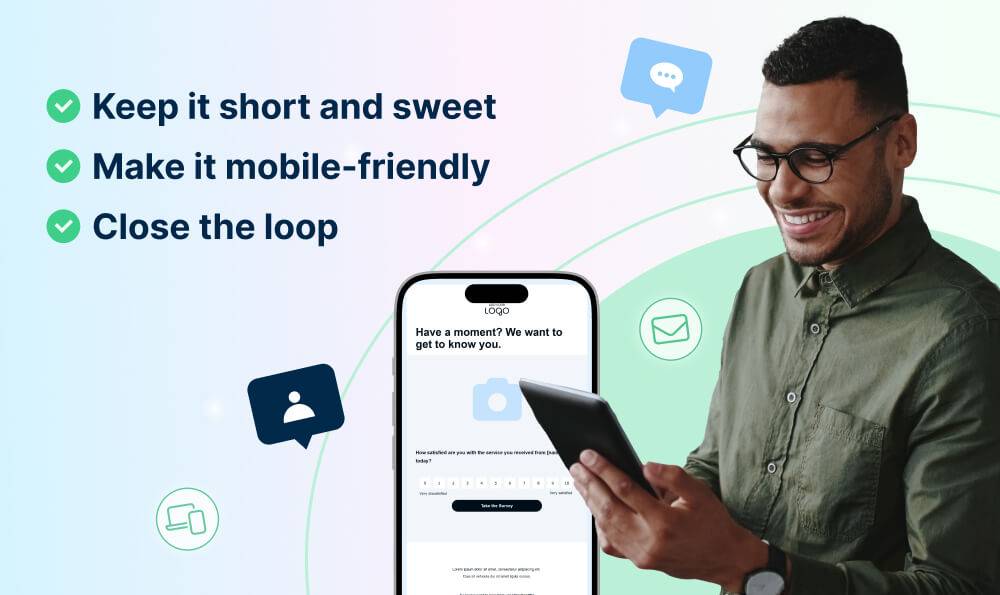
Keep it short and sweet. Aim for 3–5 questions max.
Make it mobile-friendly. Most people will answer on their phones.
Close the loop. Share what you learned and what you’re doing about it. It builds trust.
... and don’t forget to show appreciation to your contributors. A simple thank-you message goes a long way, but you can tailor the gesture to your audience—offer a discount if you are selling a product or service, in B2B, share a valuable resource derived from the collected data. For inspiration, look at Kairos Future: they excel at using surveys and turning insights into compelling reports for their prospects.
Surveys aren’t just about collecting data—they’re about starting conversations. When done right, they show your audience that you’re listening, that you care, and that you’re committed to improving. And that’s something every brand, in every industry, can benefit from.
Here’s a list of 9 versatile survey ideas that can spark valuable insights for marketers and organizations across industries. These are designed to be broadly useful—whether you're in retail, tech, education, healthcare, or B2B services:
1. Customer Satisfaction Survey
Gauge how happy your customers are with your product, service, or experience. Great for identifying strengths and areas for improvement.
2. Product or Service Feedback Survey
Ask users what they love, what’s missing, and what could be better. Ideal for refining offerings or planning new features.
3. Brand Perception Survey
Find out how your audience sees your brand. Are you viewed as innovative, trustworthy, affordable, premium? This helps shape messaging and positioning.
4. Post-Purchase Experience Survey
Send this shortly after a transaction to learn about the buying journey—ease of checkout, delivery speed, product satisfaction, etc.
5. Market Research Survey
Explore customer needs, preferences, and behaviours to inform product development, pricing strategies, or campaign planning.
6. Website or App Usability Survey
Ask visitors about their experience navigating your digital platforms. Useful for UX teams and conversion optimization.
7. Audience Segmentation Survey
Collect data on demographics, interests, and behaviours to better segment your audience and personalize marketing efforts.
8. Event Feedback Survey
Perfect after webinars, conferences, or in-person events. Learn what attendees liked, what could be improved, and what they want next time.
9. Future Needs & Trends Survey
Ask your audience what they expect or want in the future. It’s a proactive way to stay ahead of trends and anticipate demand.
10. Content Relevance Survey
Ask your audience which topics, formats, or channels they find most useful. Great for refining newsletters, blog strategy, or social media planning.
Each of these surveys can be customized to fit your brand voice and goals—and when paired with smart follow-up actions (like email campaigns, content creation, or product tweaks), they become powerful tools for growth.
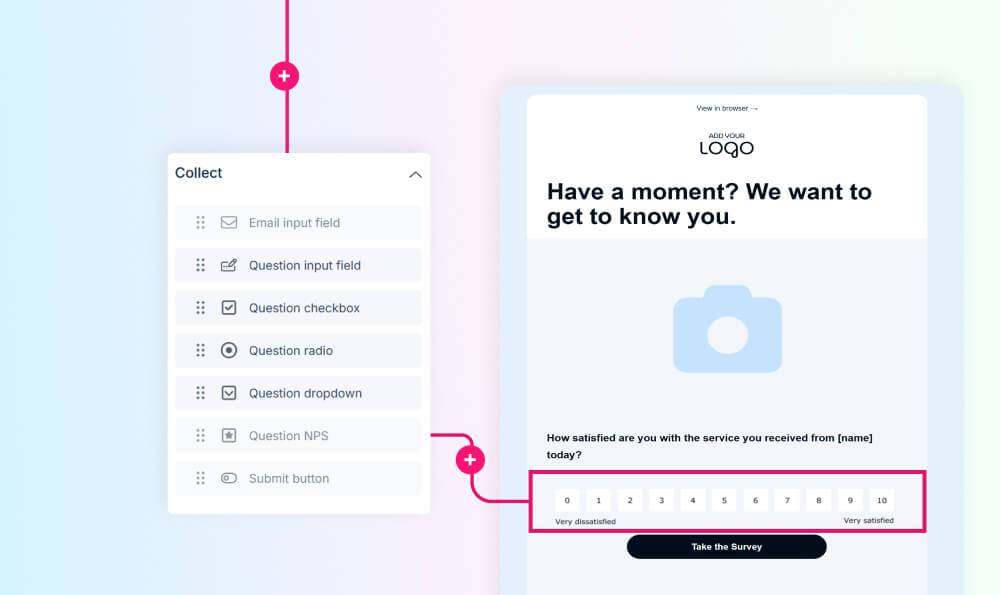
So go ahead—ask away. Book a Demo with one of our specialists today!